


EPA 609 Certification Course
The Training Center is a leading provider of EPA 609 Certifications. We are an accredited trade school officially approved by the Environmental Protection Agency (EPA) to certify technicians since 2011. Our course is for anyone who handles refrigerants in MVAC (Motor vehicle air conditioning), and is structured as a complete EPA 609 Exam & Training Program. The class is delivered online in an on-demand format for self-paced learning. Unlike other providers, we include the official EPA 609 exam, unlimited test attempts, and a complete library of study guides and practice tests. Our EPA 609 Certification course provides everything you need to get certified, meeting all federal requirements. The table below outlines everything included in our EPA 609 training program compared with other providers.
| Other Providers | The Training Center | |
|---|---|---|
| Self-Paced Online Training | ✔ | ✔ |
| Includes EPA 609 Exam | - | ✔ |
| Unlimited Exam Attempts | - | ✔ |
| Expanded Prep Materials | - | ✔ |
| Instant Results & Certification | - | ✔ |
| Lifetime Admin Support | - | ✔ |
| No Added Fees or Subscriptions | - | ✔ |
Accredited & Approved Training


The Training Center has been a leader in skills education for over 40 years and a trusted training partner of the EPA (Environmental Protection Agency) for 15 years.
EPA 609 Certification Course Details & Cost
The Training Center’s EPA 609 Certification course meets all federal requirements under Section 609 of the Clean Air Act, which requires all technicians who handle refrigerants in MVAC (motor vehicle air conditioning) systems to be properly trained and certified. This law is enforced by the Environmental Protection Agency to help prevent the illegal release of ozone-depleting substances and to ensure that technicians understand proper recovery, recycling, and handling procedures. By completing this course, you’ll earn your EPA 609 Certification, making you compliant with all federal regulations.

Online On-Demand
Self-paced online program, exam included
Cost: $90
EPA 609 Certification Explained
EPA 609 Certification is required by the Environmental Protection Agency (EPA) for anyone who services or repairs motor vehicle air-conditioning (MVAC) systems. It verifies that technicians understand refrigerant recovery, recycling, and safe handling, and it allows them to legally purchase MVAC refrigerants such as R-134a and HFO-1234yf. Below you’ll find what EPA 609 covers, who needs it, how it differs from EPA 608 Certification, which refrigerants are included, and how our online training and included exam help you get certified quickly.
What is EPA 609 Certification?
EPA 609 Certification is a federal requirement under Section 609 of the Clean Air Act. It ensures technicians working on motor vehicle air conditioning systems understand refrigerant recovery, recycling, and safe handling. Passing the EPA 609 exam demonstrates compliance with environmental regulations and grants you legal permission to buy MVAC refrigerants. Without it, you cannot purchase or use products like R-134a or HFO-1234yf. Employers and vendors often require this credential as proof of compliance before allowing technicians to purchase MVAC refrigerants or perform A/C service.
Who Needs EPA 609 Certification?
Any technician who services or repairs motor vehicle A/C systems must hold EPA 609 Certification. This includes mechanics in dealerships, independent shops, fleet service providers, and even heavy equipment technicians. Shops also depend on certified staff to remain compliant with EPA refrigerant rules. If you plan to service MVAC systems, certification is mandatory. Holding EPA 609 strengthens employability and helps shops maintain compliance with federal refrigerant rules.
EPA 608 vs EPA 609 Certification
EPA 608 applies to stationary systems such as home and commercial HVAC or refrigeration equipment. EPA 609 applies only to motor vehicle systems. The exams are different, the refrigerants covered are different, and the credentials are not interchangeable. Many technicians earn both credentials to work across automotive and stationary systems and to purchase the full range of refrigerants legally.
Refrigerants Covered by EPA 609
EPA 609 Certification allows you to handle and purchase MVAC refrigerants. This includes older refrigerants such as R-12, widely used R-134a, and new low-GWP alternatives such as HFO-1234yf. The training also covers refrigerant substitutes approved by the EPA’s SNAP program, along with standards for fittings, labels, and recovery equipment. This prepares you to service older vehicles and today’s low-GWP systems that are rapidly becoming the industry standard.
Exam Format and Requirements
The EPA 609 exam is a 30-question multiple choice test with a passing score of 73 percent. Unlike EPA 608, the 609 exam does not require a live proctor. You can take it online at your convenience and receive instant results. Our course includes unlimited attempts at no extra cost, making it easier to pass on your schedule.
EPA 609 Course Overview
One clear price of $90. No hidden fees or subscriptions. Our EPA-approved 609 Certification course provides more value than many providers by including:
- 24/7 Student Portal Access
- Convenient online self-paced, on-demand format.
- Resource library of notes, study guides, practice tests
- Official EPA 609 exam
- Unlimited Exam Attempts
- Instant Results & Certification
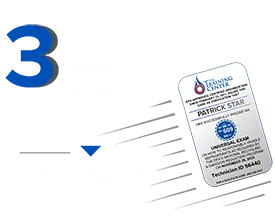
- Official EPA 609 Passing Letter
- Official EPA 609 ID Card
- Lifetime maintenance of credentials and support.
If you have any questions, our team is available to help at epa@thetrainingcenter.com
Course Curriculum and Topics
This course is designed to train technicians in the safe handling of refrigerants and the control of emissions during service, following SAE J2845 (Society of Automotive Engineers) standards. The curriculum combines compliance requirements with practical skills to ensure exam readiness. The below table outlines each module in detail.
| Course Module | Description of Training |
|---|---|
| Understanding Section 609 | Explains Clean Air Act requirements for MVAC systems, what qualifies as covered equipment, and the technician’s role in preventing refrigerant release. Connects certification to environmental responsibility and professional credibility. |
| Refrigerants and Environmental Impact | Reviews how refrigerants affect the ozone layer and climate, including ODP, GWP, and the regulatory history behind the transition from CFCs and HCFCs to HFCs and HFOs. |
| Types of Refrigerants | Introduces major refrigerant families, their properties, and applications in MVAC systems. Students practice identifying refrigerants, blends, and numbering systems used in the field. |
| EPA Rules and Industry Standards | Covers regulations governing motor vehicle air conditioning, including certification requirements, recovery and recycling rules, sales restrictions, and shop responsibilities. |
| The SNAP Program | Explains how the EPA’s Significant New Alternatives Policy (SNAP) determines approved refrigerant substitutes and shapes industry practices. |
| Climate-Friendly Alternatives | Highlights refrigerants such as HFO-1234yf, CO₂, and HFC-152a, emphasizing their lower environmental impact and the system adjustments needed for safe use. |
| Fittings, Labels, and Standards | Reviews SAE standards for refrigerant fittings, labeling, and equipment protocols. Focuses on preventing cross-contamination and verifying refrigerant identity. |
| Refrigerant Labeling in Practice | Provides hands-on practice reading and interpreting container and system labels, from historic color codes to modern SAE requirements. |
| Certification and Professional Responsibility | Reinforces the value of EPA 609 certification, explains exam requirements, and reviews approved recovery equipment and professional accountability. |
| Service Equipment and Safe Procedures | Trains students on proper use of recovery and recycling units, leak detection methods, and recharging practices. Emphasizes preventing venting and maintaining refrigerant purity. |
| Recordkeeping and Compliance | Explains required documentation for refrigerant purchases, service logs, and technician credentials. Stresses how accurate records ensure compliance and protect against fines. |
| Best Practices and Safety | Concludes with applied safety training, including PPE use, handling flammable refrigerants, preventing leaks, and avoiding hazards such as frostbite or asphyxiation. |
Certify Your Team
A2L Certification
Why The Training Center


Student Success

Reviews
We put students first, and their success matters most. See what some of our students say about their experiences.

Accreditation

Get Your EPA 609 Certification
Frequently Asked Questions (FAQs)
What is EPA 609 Certification?
Who needs an EPA 609 Certification?
Do I need EPA 609 Certification to buy refrigerant?
Yes, for MVAC refrigerants such as R-134a and HFO-1234yf. For refrigerants in stationary systems, you need EPA 608. See our EPA 608 Certification page.
What refrigerants are covered by EPA 609?
How is EPA 609 different from EPA 608?
How long does it take to get EPA 609 certified?
Does the EPA 609 exam require a proctor?
What is the exam format and passing score?
How much does the EPA 609 certification cost?
$90 total. Training, exam, unlimited retakes, and your ID card are included.
What do I receive after passing the EPA 609 exam?
Do I need to renew this certification?
Do I need experience to get an EPA 609 Certification?
No experience is required. This course provides all the training and materials needed to pass the exam. For technicians interested in working beyond automotive systems, a full HVAC training program is recommended.
EPA 609 Training Resources & Articles
HAVE QUESTIONS?