Welding School in New Jersey

Welding Training Programs to Start or Advance Your Career

NJ Welding Trade School

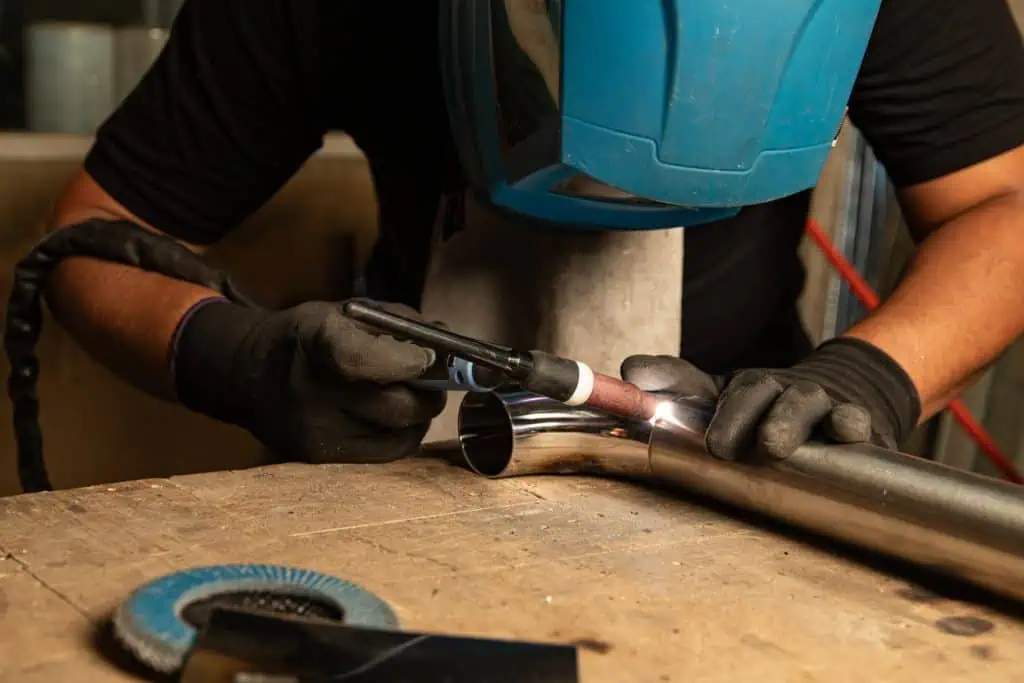
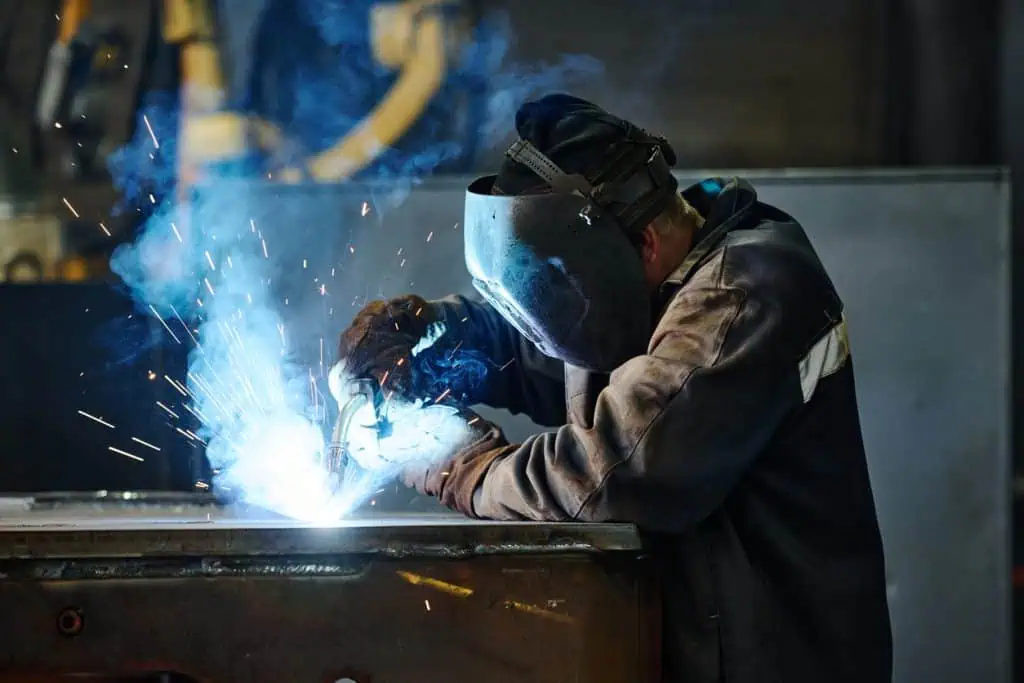
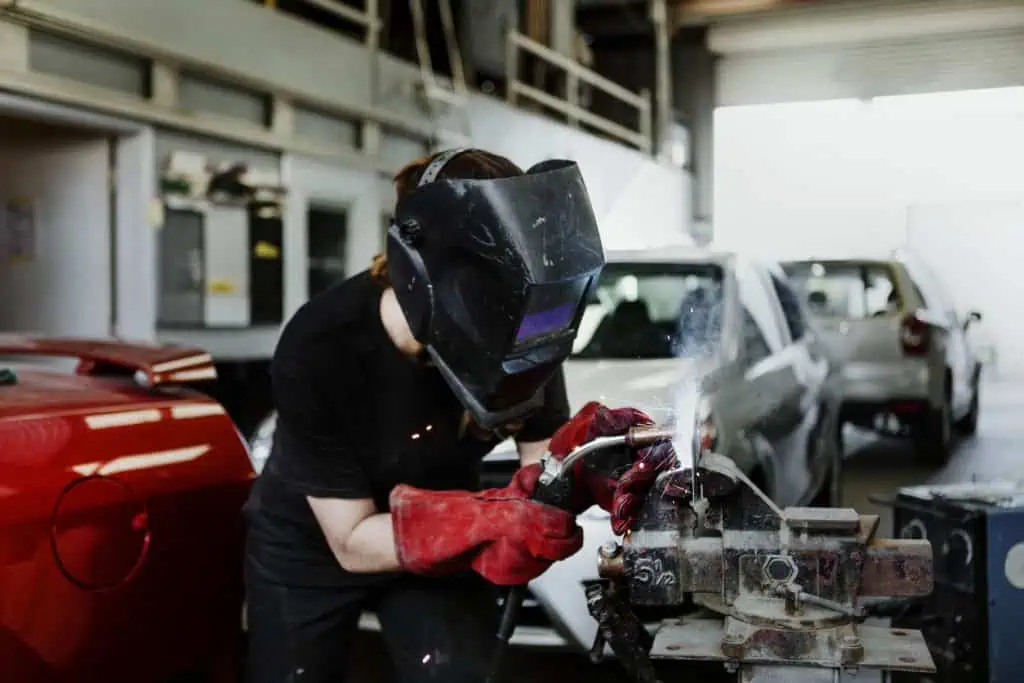
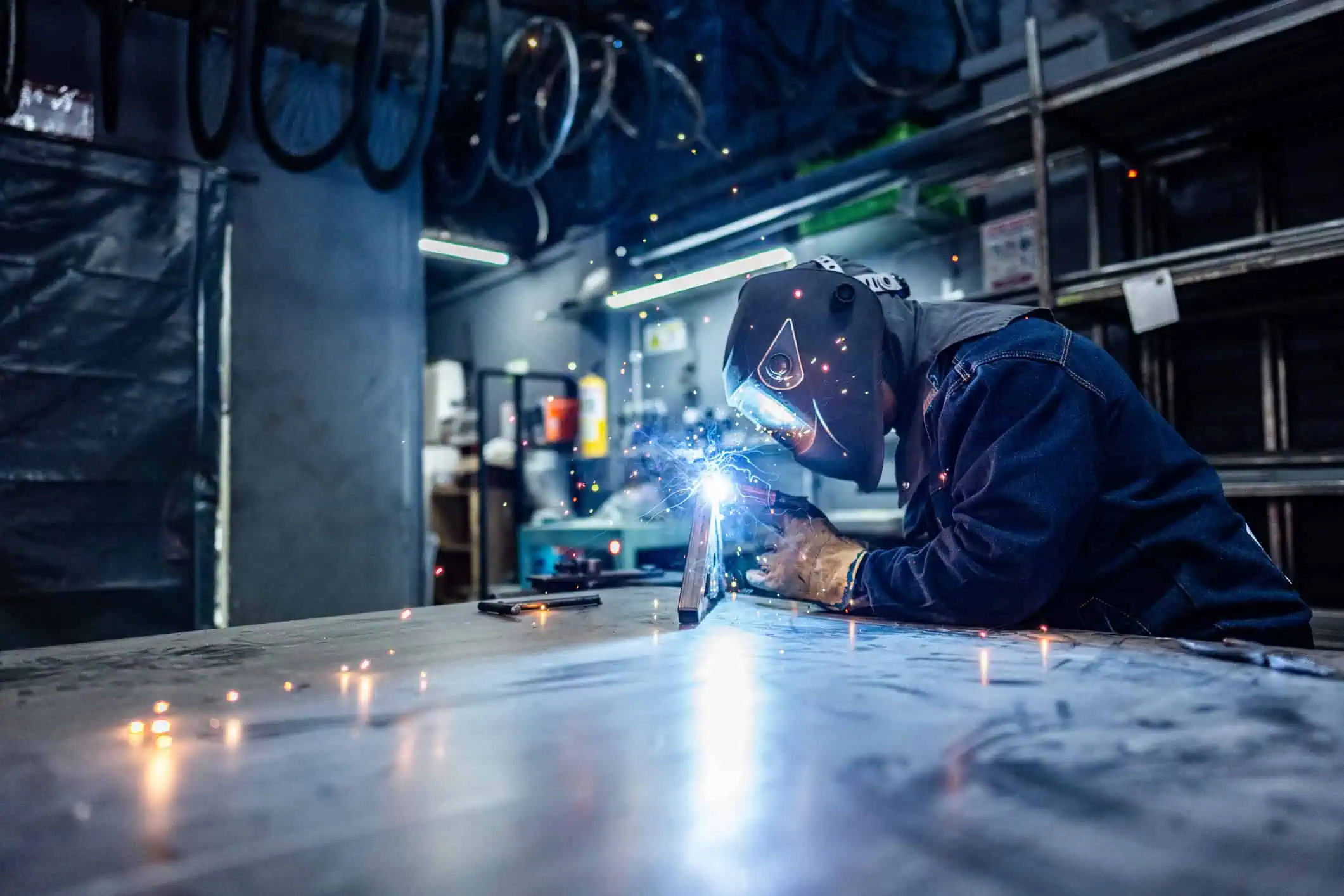
The Training Center is a top-rated welding school in New Jersey providing hands-on training programs designed to meet American Welding Society (AWS) and ASME code standards. Our classes are built for all experience levels, whether you are a beginner or a professional fabricator. From MIG, TIG, and Stick welding to advanced structural and pipe code tests, our welding trade school helps you gain the skills needed to start or advance your career.

Recognized as a premier welding certification hub, our Branchburg, NJ campus features multi-zone, professional-grade fabrication labs to deliver the highest quality training in the state. Our programs are led by AWS Certified Welding Educators (CWE) and NCCER Master Instructors who are active 6G Certified professionals. We prepare you to earn industry-recognized credentials spanning from foundational AWS D1.1 structural plate tests (1G through 4G) all the way to advanced open-root pipe qualifications (5G and 6G). Our top-rated offerings include our Welding Training Program and Welding Bootcamps & Classes.

Welding Career Development

WELD Badge 3d

Welding Program

Start a Career as a Certified Welder.
welding bootcamps

Welding Bootcamps

Learn Welding & Fabrication Skills.

Is Welding a Good Career in New Jersey?

Welding is the backbone of the industrial world, and in New Jersey, it is rapidly evolving into a highly secure, high-paying career path. As the state ramps up infrastructure repair, advanced manufacturing, and renewable energy projects, certified welders are becoming one of the most in-demand skilled trades.
High Earning Potential icon

High Earning Potential

Certified and experienced welders command premium pay in the New Jersey market. With the complexity of industrial systems, skilled labor is highly valued. While entry-level fabricators start at competitive wages, specialized pipe and rig welders in NJ can earn up to $100,000+ annually.
The Infrastructure Boom icon

The Infrastructure Boom

Over a trillion dollars in federal infrastructure investments are driving high demand for structural and pipe welders. New Jersey is receiving billions in funding to rebuild aging bridges, repair highways, and upgrade water and gas pipelines, guaranteeing decades of secure work for skilled tradesmen.
Strong Job Stability icon

Strong Job Stability

As older generations of tradesmen retire, the industry is facing a massive skills gap. The U.S. Bureau of Labor Statistics projects over 45,600 welding job openings every single year nationally through 2034. Welders enjoy incredible job security because of their hands-on, highly technical skills that are difficult to outsource or replaced by AI.
Clean Energy & Advanced Manufacturing icon

Industrial Growth & Clean Energy

The welding field is expanding far beyond traditional construction. New Jersey is a major hub for pharmaceutical manufacturing, aerospace, and new offshore wind energy projects. This creates a massive demand for precision welders who can work with exotic alloys and high-purity sanitary systems.

Top Welding School Serving New Jersey

The Training Center provides welding training for students throughout New Jersey at our Branchburg location. This campus features professional-grade fabrication machinery, including industrial multi-process welders, plasma cutting stations, pipe bevelers, and guided bend testers for AWS code qualification.

Our programs specialize in all major areas of the trade, including structural steel welding (SMAW), high-production wire-fed processes (MIG & Flux-Cored), precision TIG welding on exotic alloys, open-root pipe fabrication, thermal cutting, and blueprint reading. We proudly serve students across the entire state of New Jersey, including:

NJ Map Image

North Jersey

  • Bergen County
  • Essex County
  • Hudson County
  • Morris County
  • Passaic County
  • Sussex County
  • Warren County

Central Jersey

  • Hunterdon County
  • Mercer County
  • Middlesex County
  • Monmouth County
  • Somerset County
  • Union County

South Jersey

  • Atlantic County
  • Burlington County
  • Camden County
  • Cape May County
  • Cumberland County
  • Gloucester County
  • Ocean County
  • Salem County

Wrightstown, NJ

View Location

UnioN NJ

View Location

Worried about tuition?

Financing Plans are now available!

Frequently Asked Questions (FAQs)

Do I need a college degree to become a welder?

No, you do not need a college degree to become a professional welder. Industrial employers and commercial contractors prioritize physical skill and active credentials over traditional two-year associate degrees. Earning an official American Welding Society (AWS) certification directly proves your physical ability to produce code-compliant welds. Our programs skip generic coursework, focusing directly on the hands-on lab time required to pass exams and get hired.

Is welding hard to learn for a beginner?

Welding is a highly technical, hands-on trade that requires patience, a steady hand, and a strong understanding of material science. While mastering the arc is challenging, you do not need any prior experience to succeed. Our beginner programs start with the absolute basics of shop safety, tool handling, and equipment setup before advancing step-by-step into complex fabrication under the one-on-one guidance of our expert instructors.

What is the difference between a welder and a fabricator?

While the terms are often used interchangeably, there is a distinct difference. A “welder” primarily focuses on the physical act of joining two pieces of metal together using heat. A “fabricator” is a more versatile tradesman who oversees the entire building process, from reading blueprints and cutting raw materials to the final fit-up and welding. Our comprehensive programs teach you both thermal cutting and isometric blueprint reading so you graduate as a complete fabricator.

What are the different types of AWS welding certifications?

AWS certifications are categorized by the welding process, metal thickness, and the physical position of the weld. The most common foundational credential is the AWS D1.1 Structural Welding Code, which tests welders on flat (1G), horizontal (2G), vertical (3G), and overhead (4G) positions. Advanced certifications include open-root pressure pipe welding in the 5G and 6G positions, which are critical for high-paying refinery and infrastructure jobs.

What are the highest-paying welding jobs in New Jersey?

Pipeline welding, rig welding, and aerospace TIG (Gas Tungsten Arc Welding) are typically the highest-paying welding jobs in the New Jersey market. These roles command premium salaries because they require advanced ASME or AWS 6G pipe certifications to work on high-pressure systems, exotic alloys, and high-purity sanitary tubing.

What is the difference between MIG, TIG, and Stick welding?

Stick welding (SMAW) is a rugged, heavy-duty process primarily used for outdoor construction and heavy structural steel. MIG welding (GMAW) uses a continuous wire feed, making it exceptionally fast and ideal for indoor manufacturing. TIG welding (GTAW) is a highly precise, heat-controlled process used for thin metals, stainless steel, and aluminum. Our lab provides training in all major processes so you graduate with total versatility.

Can experienced welders take classes to upgrade their certifications?

Yes. If you are already working in the trades and want to qualify for higher-paying union or industrial roles, you do not need to enroll in a full beginner program. We provide multiple training programs and courses designed specifically for professionals who need to practice and pass advanced 5G, 6G, or specific alloy certification tests.

HAVE QUESTIONS?

Speak with a Real Person, We’re Here to Help!