Choosing the right educational path after high school is one of the biggest decisions a student can make, especially for those exploring careers in the skilled trades. Across New Jersey, many young adults are looking for alternatives to traditional four-year colleges and finding that both trade schools and community colleges offer practical, affordable ways to launch successful careers.
The skilled trades continue to grow in demand as baby boomers retire and more industries face worker shortages. In New Jersey, trade professionals, from HVAC technicians to electricians, enjoy strong job security, competitive pay, and steady demand across residential, commercial, and industrial sectors.
This guide explains the key differences between trade schools and community colleges in New Jersey, helping you decide which option best fits your goals.
Key Summary
- New Jersey community colleges average about $9,000–$10,000 per year for in-county students, according to data from Brookdale, Bergen, and Raritan Valley Community Colleges.
- Trade school programs in New Jersey average over $17,000 in tuition, depending on program type and duration, according to institutional catalogs and 2025 Bureau of Labor Statistics data.
- Trade school programs are shorter and career-focused, typically completed in 9–18 months.
- Community college programs are typically longer, often requiring unrelated general education courses.
- Trade schools emphasize more hands-on learning and job-ready skills.
- Community colleges are ideal for students planning to transfer to a four-year university.
- In New Jersey, some trade schools offer faster career entry, smaller class sizes, and strong industry ties.
What Is a Trade School?
Trade schools are specialized institutions that teach career-ready skills for specific professions such as HVAC, plumbing, welding, and electrical work. Their programs are typically shorter, more focused, and designed to get students into the field quickly.
Trade schools can be public or private, but the best ones provide hands-on instruction, small class sizes, and direct preparation for professional certifications.
In New Jersey, top trade schools include The Training Center, Lincoln Tech, Pennco Tech, and Fortis Institute.
When comparing programs, look for:
- Courses that match your chosen trade (HVAC, plumbing, welding, boiler operation, etc.)
- Small class sizes with personalized instruction
- Hands-on training in real equipment and labs
- Flexible scheduling for working adults
- Job placement or apprenticeship support
A quality trade program focuses on building skill through practice, not just theory. For instance, The Training Center’s Trade School Programs combine classroom lessons with immersive field experience, helping students graduate job-ready.
What Is a Community College?
Community colleges are public, two-year institutions that primarily serve local residents. They are often used to earn an associate degree, prepare for a four-year transfer, or gain foundational training for specific careers.
In New Jersey, well-known community colleges include Brookdale Community College, Raritan Valley Community College, Bergen County Community College, and Ocean County College.
Community colleges are usually:
- Less expensive per semester
- More theory and textbook-based
- Focused on academic coursework alongside some technical training
Students pursuing trades through community colleges may find programs that include general education requirements (math, English, or humanities), which can lengthen completion time.
Trade School vs. Community College
Both trade schools and community colleges offer affordable, practical education options for New Jersey students. However, there are key differences in cost, program structure, and learning approach. The table below provides a quick side-by-side comparison:
| Feature | Trade School | Community College |
|---|---|---|
| Program Length | 9–18 months | ~2 years |
| Focus | Hands-on, career-specific | Academic, broader |
| Cost | Higher tuition | Lower per-year cost |
| Training Type | Practical / Lab-based | Primarily classroom |
| Flexibility | Built for working adults | Semester based |
| Job Placement | Employer pipelines | Varies by program |
Trade schools are generally faster, more specialized, and designed to prepare students for immediate employment in a specific trade. Community colleges tend to provide broader academic programs that may lead to an associate degree or transfer to a four-year university.
Cost of Trade School vs. Community College
According to the tuition information published by Brookdale, Bergen, and Raritan Valley Community Colleges, here’s what New Jersey students can expect to pay:
| NJ Community College | Avg Cost per 12-credit semester | Avg Program Cost (4 semesters) |
|---|---|---|
| Brookdale Community College | $2,745 | $10,980 |
| Bergen Community College | $2,529 | $10,116 |
| Raritan Valley Community College | $2,304 | $9,216 |
These 2026 tuition costs are based on publicly available information from Brookdale Community College, Bergen Community College, and Raritan Valley Community College websites and tuition reports for in-county students at the time of writing. Actual costs may vary and should always be confirmed directly with each school.
For reference, here are the average tuition costs for New Jersey HVAC trade school programs, which reflect similar costs across other trades:
| NJ Trade School | Average Tuition Cost |
|---|---|
| Lincoln Tech | $29,370 |
| Pennco Tech | $25,180 |
| Fortis Institute | $22,620 |
| The Training Center | $10,000 |
While community college is typically cheaper, it often takes longer to complete and includes unrelated coursework. Trade schools may cost more upfront but provide faster, career-focused training with a stronger return on investment.
Length of Programs
Community college programs generally last about two years, while most trade school programs range from six months to one year.
Community colleges require students to meet credit requirements and general education classes. Trade schools focus solely on skill-based instruction, allowing students to enter the workforce faster.
For example:
- Brookdale Community College offers a two-year, 63-credit automotive program including 20 credits of general education.
- Pennco Tech’s automotive program can be completed in roughly 10 months.
- The Training Center’s Boiler Operator Training Program gets students field-ready in 6 months.
Quality of Learning
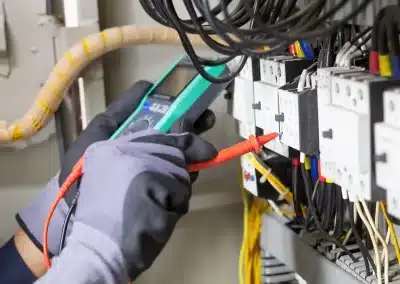
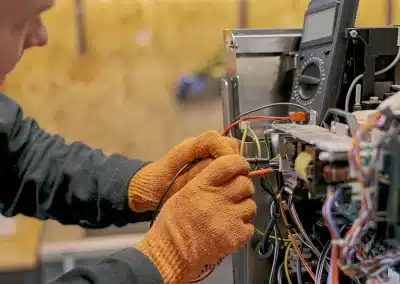
Trade schools in New Jersey focus on skill application, safety standards, and job readiness. An HVAC Technician Training Program walks students through real diagnostic workflows, from reading gauges and checking electrical components to verifying airflow and testing system performance, so they understand what a typical service call looks like in the field.
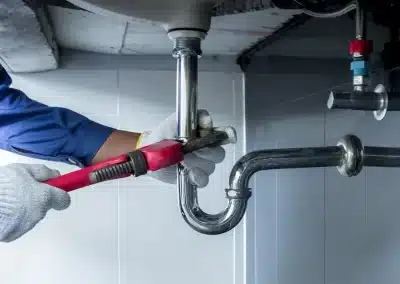
For students interested in working on piping systems and water distribution, a Plumbing Training Program emphasizes layout, code awareness, and practical skills such as assembling piping, setting fixtures, and troubleshooting common residential and light commercial issues. Those who prefer fabrication and metalwork can pursue a Welding Training Program, where they practice core welding processes, learn how to work safely with heat and cutting tools, and build the kind of hands-on proficiency employers expect on construction and industrial job sites.
Together, these programs show how a trade school environment can translate classroom concepts into repeatable, real world skills that help graduates move into entry level roles faster and with more confidence than students who only learn from textbooks.
Flexibility and Scheduling
Flexibility can vary widely between programs. Community colleges often follow rigid academic calendars, while trade schools typically offer flexible scheduling for working adults.
Trade schools may include:
- Day or evening classes
- Self-paced or hybrid learning
- Smaller class sizes and instructor availability
Community colleges offer online courses in some trades, but these are often self-paced and lack live instruction or hands-on training. For example, Brookdale and Bergen both offer online HVAC technician programs, but they lack in-person lab time.
When flexibility and personalized attention are important, smaller trade schools usually provide a better learning environment.
Job Placement and Career Support
Trade schools often provide built-in career services and direct pipelines to employers. Smaller class sizes also mean closer relationships with instructors, creating valuable connections for apprenticeships and jobs.
Community colleges can offer job support too, but programs are typically broader and less targeted toward specific trades.
Online vs. In-Person Learning
Online education can be convenient, especially for busy adults balancing work and family commitments. Many community colleges and some trade schools offer online or hybrid options for general education or theory-based coursework.
However, for skilled trades like HVAC, boiler operation, plumbing, or welding, in-person training remains essential. Students need supervised lab time to safely use tools, troubleshoot real systems, and apply what they have learned in the classroom.
The strongest programs blend online learning for foundational theory with on-campus labs for hands-on practice, giving students flexibility without sacrificing the quality of their technical training.
Which Is Better: Trade School or Community College?
Ultimately, there’s no single best option for everyone. The choice depends on your budget, time, and learning preferences. If you value fast, focused, and practical training, trade school is often the better route, particularly for those pursuing skilled trades in New Jersey.
The Training Center is an accredited trade school in New Jersey offering hands-on instruction, small class sizes, and career-ready programs across HVAC, plumbing, welding, electrical, and boiler fields. With flexible scheduling and dedicated support, students graduate with the skills needed to build a successful career in the trades.
2026 tuition and cost estimates in this guide are based on publicly available information from New Jersey community colleges and trade schools, including Brookdale Community College, Bergen Community College, Raritan Valley Community College, Lincoln Tech, Fortis Institute, Pennco Tech, and The Training Center, as well as education and labor data sources such as the U.S. Bureau of Labor Statistics, Niche, and College Raptor. For the most current tuition and fee information, always confirm directly with each school.
Sources for Data: Brookdale Community College Tuition & Fees 2025-26, https://www.raritanval.edu/paying-for-college/tuition-and-fees, https://bergen.edu/bursar/tuition-and-fees-current-and-previous-academic-years, Lincoln Tech 2025 program catalog, Fortis Tech 2025 program catalog, Niche, College Raptor, onlytradeschools.com, U.S. Bureau of Labor Statistics, U.S. Chamber of Commerce,