Enrolling in a trade school to learn a skilled trade is one of the best decisions a young professional in New Jersey can make today. While traditional four-year colleges have value for some, the high cost and time it takes to get degrees can be prohibitive for others. That’s why many students are now focused on finding a top trade school in New Jersey that offers faster, more affordable, and more hands-on pathways into the workforce.
Comparatively, trade schools offer strong returns on investment. Trade schools are often more affordable than traditional colleges and offer quicker paths to the licenses, certifications, and skills necessary to enter the workforce. Trade workers are nearly always in demand and are less likely to be negatively impacted by innovations in AI, which are already upending many industries and careers.
The demand for trade workers is also on the rise as the United States faces a wave of baby boomer retirements, creating a shortage of skilled labor and a range of open roles. Trade jobs are in high demand and projected to keep growing. According to NJ.gov, careers like engineering, electrical work, mechanics, and trades such as Heating, Ventilation, and Air Conditioning (HVAC) are all expected to remain in demand.
As a result, trade schools are becoming one of the smartest investments for a career path. They are more affordable than a traditional four year college, take less time to complete, and equip students with practical skills that are not only in demand but also more resistant to automation, AI, and economic shifts.
If you have decided to go to a trade school, the next question is how to choose a top trade school in New Jersey that fits your needs. The sections below walk through what to look for and how to compare your options.
Key Summary
- Trade schools in New Jersey offer strong return on investment through shorter programs, lower overall cost, and faster entry into paid work.
- The top trade schools in New Jersey include Lincoln Tech, The Training Center, Pennco Tech, and Fortis Institute, each with varying tuition, class sizes, and training focus areas.
- Not all trade schools teach every trade, so it is essential to confirm that your target trade is a core focus, not an afterthought.
- Tuition differences between big brand and smaller schools can be large, but price alone does not equal quality.
- Flexible scheduling, hybrid learning, and make up options are important for students balancing work and family.
- Hands on training on modern equipment is critical for becoming field ready.
- Low student to teacher ratios support personalized instruction and better skill development.
- Strong job placement support, employer relationships, and relevant certifications help graduates move into the workforce quickly.
What Trades Does a School Teach?
The first question any trade school student should ask is simple: does this school actually teach the trade you want to learn?
Not all trade schools teach every trade. Many schools specialize in a limited set of career paths such as HVAC, boilers, electrical, plumbing, welding, refrigeration, automotive, or plant operations.
Do not enroll in any trade school without first confirming that:
- Your trade is a primary focus of the school, not a small side program
- The curriculum aligns with what employers expect in your field
- The school understands local licensing and certification requirements
For example, if you are interested in how to become a boiler operator in New Jersey, you will eventually need to earn the proper New Jersey boiler license. A qualified school with a clear Boiler Operator Training Program should help you meet classroom and experience requirements for that license.
If you want to work specifically in heating and cooling, a focused HVAC Technician Training Program will be more valuable than a generic mechanical program. If you are more interested in piping systems, a structured Plumbing Training Program can give you the skills needed to move into residential or commercial work.
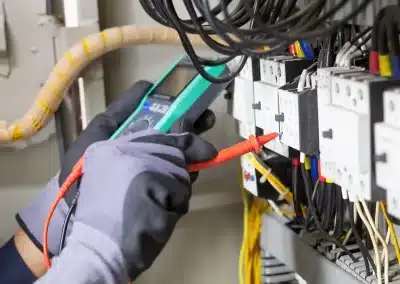
Students interested in metalwork, fabrication, or industrial repair may find a Welding Training Program to be the ideal path. These programs teach core techniques like MIG, TIG, and stick welding, while also emphasizing shop safety, blueprint reading, and fabrication fundamentals essential to real-world work in the field.
It is also a good idea to look at student reviews and graduate outcomes. Past students can tell you whether the program actually prepared them for the field and whether the school delivered on its promises.
Trade School Costs and Affordability
While trade schools are generally more affordable than traditional four year colleges, not all programs are equal in cost or value. Tuition can vary widely between schools. Many big brand national trade schools charge significantly higher prices, while smaller, more focused schools may offer similar or better training at a lower cost.
A higher price does not always mean a better education. When you compare costs, keep your focus on value:
- What skills will you have when you graduate?
- Does the program prepare you for the certifications and licenses you actually need?
- How quickly can you enter the workforce and start earning?
Remember, the true purpose of trade school is to equip you with the skills and hands on experience you need to succeed and thrive in the field, not to burden you with unnecessary debt. Many smaller, lesser known trade schools can offer more affordable tuition while delivering a more personalized, skill based education.
As you research your options, keep an open mind and focus on what you get for your investment rather than just choosing the most recognizable name. A program that offers strong training and support at a fair cost will give you the best return on investment and set you up for a strong future without breaking the bank.
As you compare programs across New Jersey, it helps to look at how tuition actually differs between major trade schools in the state. The chart below can show average program tuition for several well known schools, including Lincoln Tech, Pennco Tech, Fortis Institute, and The Training Center.

In that tuition comparison, The Training Center has lower average tuition than other major New Jersey trade schools such as Lincoln Tech, Pennco Tech, and Fortis Institute, while still focusing heavily on hands on training and real world preparation. That combination of lower cost and strong practical training is what creates a better long term return on investment for many students.
Trade School Class Flexibility
Once you know a school offers your trade and the tuition makes sense, it is time to look at fit. Many trade school students are juggling multiple responsibilities, such as full time or part time work, family obligations, or other commitments. It may not be realistic to focus on school alone.
If that sounds like you, then class flexibility matters a lot. Look for programs that:
- Offer evening classes instead of only daytime sessions
- Provide hybrid formats where theory lessons can be completed online
- Allow you to make up missed classes or access recorded sessions
- Let you schedule hands on lab blocks in advance
You do not want to be stuck in a rigid program where missing a single class means being left behind. Some programs are also designed as fast track courses that get you field ready and into the workforce more quickly, which can be especially helpful if you are career changing or need income sooner.
Take a close look at each program’s structure and format. The right trade school in New Jersey should work for you, not the other way around.
Hands On Training
There is a running joke among trade school professionals that if the equipment on campus looks too shiny and new, it is probably not being used enough. That is because there is no substitute for getting your hands dirty and actually doing the work you are learning.
Hands on training is the core of trade education. Reading from textbooks and watching demonstrations can introduce concepts, but real learning happens when you:
- Disassemble and reassemble equipment
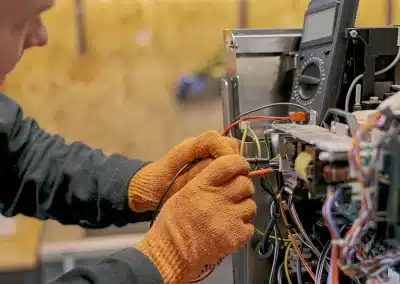
- Take readings with instruments, gauges, and meters
- Wire, pipe, or program systems yourself
- Diagnose faults under realistic time pressure
A good trade school should offer a large portion of its curriculum as hands-on lab work. That training should mirror the kinds of real-world conditions and problems you will see in the field.
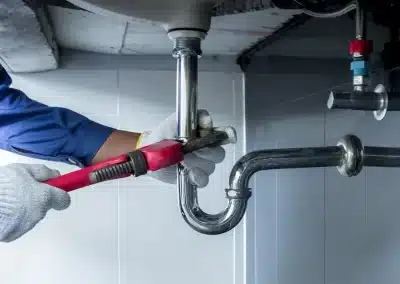
For example, if you are interested in heating and cooling, an HVAC School in NJ will have you working directly on condensers, air handlers, heat pumps, and controls instead of only studying them from diagrams. If you want to work in piping and fixtures, a strong Plumbing School in NJ will have you cutting, assembling, and pressure testing real piping systems.
The equipment you train on matters too. Working only on outdated models in a classroom will not help much if you are hired to work on modern, high-efficiency systems. Look for programs that invest in current technology and keep their labs up to date.
For students pursuing metalwork careers, hands-on training in thermal cutting, metal fabrication, and shop safety is just as essential. A reputable Welding School in NJ should offer instruction in proper joint preparation, weld positions, machine settings, and safe practices in real workshop environments.
Student-To-Teacher Ratio
Even the best lab environment is only as effective as the instruction that comes with it. Imagine sitting in a big brand name trade school classroom, in a group of thirty students, with one instructor and limited time. If you do not fully understand a concept, the class moves on and you are stuck trying to catch up on your own.
This experience is common at larger schools, and it is why personalized instruction matters. When the student to teacher ratio is too high, it becomes harder to:
- Ask questions in the moment
- Get help when you are struggling
- Receive feedback on your technique
- Build relationships with instructors
By contrast, a school with smaller class sizes and more individualized support can adjust to your pace, help you fill gaps in understanding, and give you more time on the tools.
When comparing trade schools in New Jersey, always ask about the student to teacher ratio. A lower ratio often means:
- More time per student during labs
- Easier access to instructors after class
- A better chance to stand out and earn strong recommendations
Smaller, more personal learning environments also make it easier to build strong relationships with instructors and classmates, which can be valuable when you are ready to enter the field.
To make this easier to visualize, many schools compare their average class sizes directly. A chart can show how larger national schools often have significantly higher student to teacher ratios than smaller, family run trade schools like The Training Center.

That comparison can highlight how The Training Center maintains smaller student to teacher ratios than larger New Jersey trade schools such as Lincoln Tech, Pennco Tech, and Fortis Institute, which means more instructor support, more guided learning, and more opportunities for one on one feedback during labs.
Job Placement Support
One of the biggest advantages of learning a trade is the ability to move into the workforce relatively quickly. However, that transition is not automatic. It helps to choose a trade school that actively supports job placement and career development, not just classroom learning.
When you research schools, ask questions such as:
- Does the school have relationships with local employers or unions?
- Do they offer job fairs, employer visits, or interview events?
- Is there help for resumés, applications, and interview preparation?
- Do they track graduate employment outcomes at all?
Some trade schools also build key certifications into their programs. For example, an HVAC focused school might prepare students for EPA 608 Certification or specialized A2L Refrigerant Certification. Relevant credentials can make you more attractive to employers and shorten the time between graduation and your first job.
Checking online reviews is also helpful. Former students often mention whether the school actually helped them land jobs or whether they felt on their own after graduation.
Finding The Top Trade School in New Jersey
Choosing a trade school can feel overwhelming, but focusing on a few core qualities makes the choice much clearer:
- The school teaches the trade you want to pursue
- Tuition is reasonable for the value you receive
- The schedule and format are flexible enough to fit your life
- Hands on training is a major part of the program, not an afterthought
- Class sizes are small enough for personal attention
- There is real support for job placement and long term growth
The reality is that some schools become stagnant in their offerings. They lean mostly on textbooks, teach the same way for years, and focus more on enrolling the next class than on making sure every student is truly field ready.
The Training Center is an accredited trade school in New Jersey with training programs in HVAC, Electrical, Boiler, Plumbing, and Welding that are designed to be practical, hands on, and aligned with what employers are looking for.
By choosing a trade school that checks these boxes, you are not just signing up for classes. You are investing in a focused path toward a secure, in demand career that can support you and your family for years to come.